Why Cummins Engine Produces Black Smoke
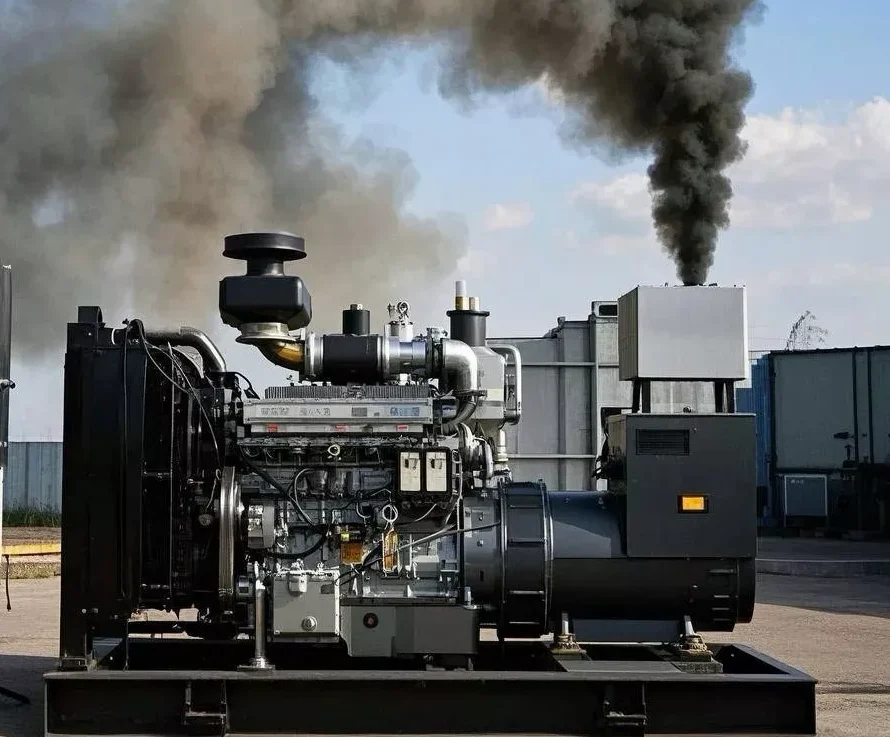
News 2022年 9月 25日 78Black smoke is one of the most common and telltale mechanical issues on Cummins diesel engines, widely used in heavy-duty trucks, construction machinery, industrial generators, and marine power systems.
While white smoke indicates water contamination and blue smoke signals oil burning, black smoke specifically points to incomplete diesel combustion caused by an imbalanced air-fuel ratio. Many equipment operators overlook minor black smoke in the early stages.
However, untreated issues will gradually lead to power loss, excessive fuel consumption, severe carbon buildup on cylinder walls and fuel injectors, and accelerated wear on critical engine parts.
In the long run, these problems result in increased equipment downtime, higher repair costs, and reduced productivity for commercial fleets and construction projects.
Insufficient air intake ranks as the No.1 cause of black smoke on Cummins engines, accounting for over half of all routine troubleshooting cases.
Most construction and mining sites operate in dusty, harsh conditions, which easily clog air filter elements with dust, dirt, and debris after long hours of continuous operation.
A blocked air filter restricts oxygen intake, leaving injected diesel unable to burn completely. In addition, faulty turbochargers fail to deliver sufficient boost pressure, while aged, cracked intake hoses and loose gaskets cause air leakage across the intake system.
A carbon-clogged EGR valve is another hidden issue that recirculates dirty exhaust gas back into the combustion chamber, diluting fresh air intake and producing thick black smoke during acceleration and heavy-load operation.
Fuel system failures are the secondary leading cause of persistent black smoke, often triggering recurring faults if not fixed properly.
Cummins precision fuel injectors and nozzle assemblies are prone to wear, carbon accumulation, and seal degradation after long-term high-frequency operation. Worn injectors lose their atomization performance, causing diesel to drip into cylinders instead of forming fine mist.
The unatomized diesel fails to burn fully and releases black soot from the exhaust. Meanwhile, clogged primary and secondary fuel filters cannot remove impurities and moisture from diesel, leading to unstable fuel pump pressure and incorrect fuel delivery volume.
Furthermore, worn timing gears alter fuel injection timing, disrupting the normal combustion cycle and worsening black smoke emissions.
Fast and accurate troubleshooting is essential for effective Cummins engine repair, and technicians can pinpoint faults quickly based on engine performance symptoms.
If black smoke only occurs during acceleration or under heavy loads, the problem usually stems from a clogged air intake system or low turbo boost pressure.
If black smoke persists at idle and low speeds, damaged fuel injectors and poor fuel atomization are the most likely culprits.
When black smoke is accompanied by hard cold starts, rough idling, and weak power output, the engine typically suffers from incorrect injection timing or low cylinder compression caused by worn piston rings and valve components.
Simple carbon cleaning cannot resolve black smoke issues permanently; replacing high-quality compatible replacement parts is the most reliable solution.
Essential replacement components include OEM-standard Cummins air filters, fuel filter kits, complete fuel injector assemblies, turbocharger repair kits, intake pipe gaskets, and EGR valve sealing parts.
All our matched parts comply with strict Cummins OEM specifications, effectively restoring the optimal air-fuel ratio, eliminating incomplete combustion, permanently fixing exhaust black smoke issues, and recovering the engine’s original power and fuel efficiency.
Proactive routine maintenance is critical to preventing repeated black smoke failures on Cummins engines. It is vital to customize maintenance schedules based on actual working environments.
Regularly replace air and fuel filters, conduct periodic fuel injector atomization testing and cleaning, and remove carbon buildup from EGR valves and intercoolers.
Consistent standardized maintenance stabilizes engine combustion efficiency, reduces component wear and failure risks, and significantly extends the service life of Cummins diesel engines under harsh operating conditions.